The Daily Hand: Reading a Sandwich Shop’s Chalkboard Like a Local
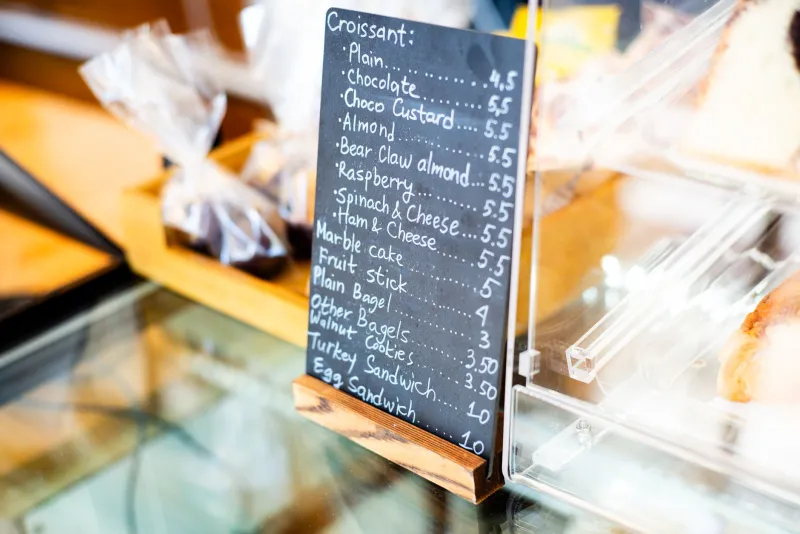
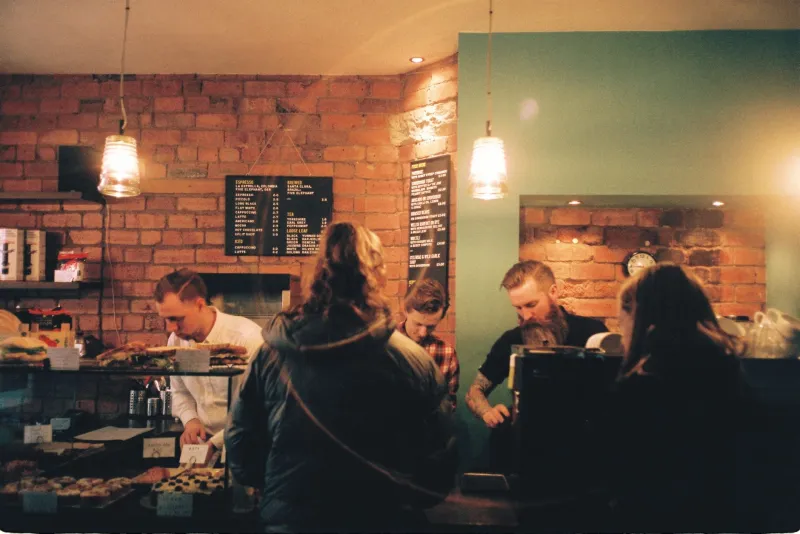
At about ten past twelve on a wet November Tuesday, the queue in a good sandwich shop tells you one thing and the chalkboard tells you another. The queue says people are hungry. The board says why they chose this shop over the chain across the road. It is handwritten, slightly smudged at the corner and propped against a shelf of brown paper bags. Somewhere between the first item and the crossed-out last one is the real story of lunch.
A chalkboard menu is not a permanent document. That is the point. It can be changed after the morning prep, amended when the first batch of something sells out and rewritten when the greengrocer turns up with a crate of something better than expected. In a country that takes sandwiches seriously, the board is less a price list than a daily newspaper from the kitchen.
The board is a living document
Laminated menus have their place. They are tidy, durable and useful if you are ordering the same twelve sandwiches every day of the year. But a chalkboard that changes with the week is making a different promise. It suggests the kitchen is cooking rather than simply assembling, and that the person holding the chalk has some say in what goes on the bread.
Look for small signs of life. A date in the corner. The word today. A line through a filling with a note saying sold out. These are not imperfections. They are evidence that the board is being used as a working tool rather than a piece of branding.
If a shop bothers to write out the day of the week, that is usually a good sign. If it lists a filling as available until it runs out, believe it. If it has erased and rewritten the same corner three times, you are probably looking at a kitchen that adjusts as the lunch service unfolds.
Freshness has a tell
A short list is not automatically a better list, but it is often a more honest one. A board with five to eight fillings can suggest a kitchen working through prepared ingredients while they are at their best. A board with twenty-five fillings may still be excellent, but it is worth asking how much of that range was made this morning and how much came out of a tub.
Read the verbs. Roasted, braised, pickled, salt-baked, griddled. These are words that describe work done in the kitchen. Sliced, assembled and served are not bad words, but they tell you less. A sandwich described as roast chicken with tarragon mayonnaise is a different proposition from one described simply as chicken mayo. The first invites a question about when the chicken was roasted. The second invites you to take it on trust.
Specificity is the strongest signal on any board. Suffolk chicken, Yorkshire blue, Kentish apples, Cornish new potatoes, Welsh laverbread. You do not need every ingredient to come from within twenty miles. Tea, olive oil, lemons and pepper are not grown in Britain, and no sensible sandwich shop pretends otherwise. But when the cheese has a name, the pork has a farm and the bread has a bakery, the kitchen is telling you it cares where lunch comes from.
A map of the British larder
In November, a good board should feel like the month it is. You might see braised beef with horseradish, roasted roots with a sharp cheese, shredded cabbage slaw with apple, or mushrooms cooked down with thyme and butter. A sudden rush of tomatoes and basil in January is not impossible, but it is worth a second look. Seasonality is not a rule to be enforced with a clipboard. It is simply one more clue about how the shop shops.
Regional breads are another useful signal. A bap, a bloomer, a sourdough, a dark rye, a seeded wholemeal. If the board names the loaf rather than just saying bread, someone has thought about how the filling will sit inside it. A wet filling wants a robust crumb. A delicate one wants something softer. The right bread is not a detail. It is half the sandwich.
Condiments can be just as revealing. House pickled shallots, apple chutney, mustard made in the kitchen, a jar from a small producer down the road. These are the sorts of things that turn a decent filling into a lunch worth queuing for. They also suggest a shop that is thinking beyond the obvious.
How to read the board before you order
- Stand back and read the whole thing first. Do not order from memory while staring at the till.
- Look for a date, a day or the word today. It is a small thing, but it tells you the board is being maintained.
- Count the fillings. A very long list is not a crime, but a shorter list often points to a kitchen cooking in batches.
- Look for named ingredients and producers. Names are not guarantees, but they are usually a sign of intent.
- Notice seasonal language. Braised, roast, pickled and slaw are words that tend to belong to the colder months.
- Treat crossed-out items as good news. Sold out often means made fresh and bought by people who know the shop.
- Ask one useful question. What was made this morning? Which filling is moving best? What would you have?
When the board says less
Not every handwritten board is a masterpiece. Some are theatre. Beautiful lettering, curly flourishes, no information. If you cannot tell what is in the sandwich, where the main ingredient came from or whether it was cooked today, the handwriting is doing decorative work rather than useful work.
A printed board with a daily sticker can be just as honest as chalk. What matters is not the medium but the message. A good board tells you what is available, what is good and what the kitchen is proud of. It does not need to be a manifesto. It just needs to be true.
A board worth trusting
The best chalkboard menus make lunch feel like a conversation. They tell you that the beef was braised this morning, that the apples are from an orchard two counties over, that the bread arrived before the shop opened. They give you enough detail to make a choice and enough honesty to change their mind when the day does.
So next time you join the queue, look up before you look at your phone. Read the board the way you would read a menu in a restaurant you trusted. The handwriting is not there to be charming. It is there to tell you what is good today. That is worth more than a laminated list of everything that is always available.