The Quiet Ask: Going Off-Board at the Sandwich Counter Without Causing a Scene
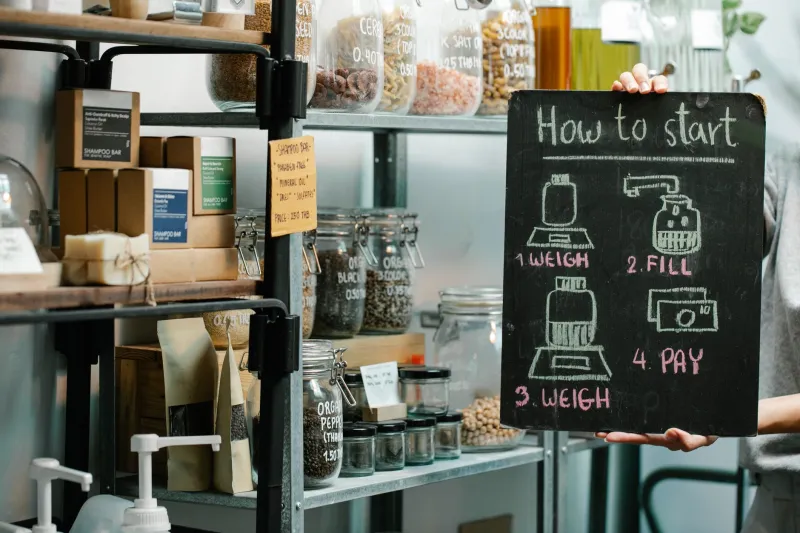
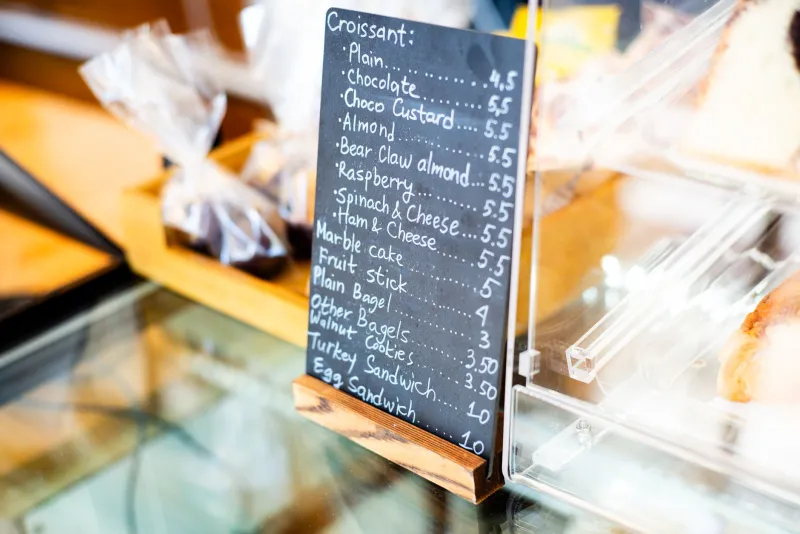
There is a particular kind of British courage required to order a sandwich that isn’t on the board. It is not the courage of the loud request or the theatrical demand. It is the quiet ask: the polite, precisely timed suggestion that the counter might, if it isn’t too much trouble, make you something slightly different from the chalkboard.
Done well, it is one of the great lunchtime pleasures. Done badly, it is the reason the queue behind you starts shifting from foot to foot and the person at the till develops a very particular expression. The difference is rarely about what you ask for. It is about how, when and why you ask for it.
First, Read the Counter
An off-board sandwich should begin with a glance, not a speech. Before you open your mouth, look at the board, the staff and the queue. Is there a queue at all? Is the person at the till mid-flow with six orders? Is the kitchen visibly quiet, or is someone wrestling a tray of roast chicken out of the oven?
The golden window is mid-morning or after the main lunch rush. Between about twelve-thirty and one-thirty, a sandwich shop is not a laboratory for your lunch ideas. It is a production line with a pulse. At two o’clock, when the pace has dropped and the staff are restocking the pickle jars, you have a far better chance of a generous yes.
A good rule: if you would not ask a busy barista to remake a drink, do not ask a busy sandwich maker to build you a bespoke lunch. Wait your moment.
The Grammar of a Fair Request
Phrasing matters more than people think. The difference between a sensible tweak and a tiresome demand is often a single word. Start with a conditional, not an instruction. ‘If you’ve got the roast chicken in, could I have it with the tarragon mayo instead of the chilli jam?’ is a request. ‘Make me the roast chicken with tarragon mayo’ is an order. One invites a yes. The other invites a sigh.
Useful phrases include: ‘Would you mind…’, ‘If it’s not too much trouble…’, ‘I’m happy to wait if that’s easier…’ and ‘Whatever’s quickest for you.’ These are not grovelling. They are the small social lubricants that keep a counter moving.
It also helps to know what you are asking for. If the board lists a cheddar and pickle sandwich on sourdough, asking to swap the pickle for chutney is a tweak. Asking for cheddar, pickle, ham, egg, crisps and three sauces on a different bread is a project. A good sandwich shop will sometimes take on a project. It will not do so while twelve people are waiting.
Know What the Kitchen Already Has
Off-board does not mean off-piste. The best off-board sandwiches are built from ingredients already in the shop: the cheeses on display, the meats in the fridge, the pickles on the shelf, the bread on the rack. You are not asking for a secret menu. You are asking the counter to rearrange what it already does well.
That is why it pays to look before you speak. If there is a jar of piccalilli by the till, it is fair game. If there is a bowl of watercress on the prep bench, it is probably there for a reason. If the shop sells bags of crisps, a crisp butty is not a bizarre request. It is lunch.
This is also where a little British regional knowledge helps. Asking for Lancashire cheese with pickle on a white bap is a reasonable ask in the right shop. So is mature cheddar with apple and chutney, ham with mustard and cucumber, roast beef with horseradish and watercress, or egg mayo with a handful of ready salted crisps. These are not demands for a new kitchen. They are familiar combinations waiting to be assembled.
A Sensible Tweak vs a Tiresome Demand
A sensible tweak is a swap, a subtraction or a small addition. Could the chutney go on the side? Could the mayo be left off? Could the white bread be swapped for the granary loaf already on the shelf? Could the sandwich be cut in half? These are the everyday negotiations of a good lunch counter, and most staff will meet them with a nod.
A tiresome demand is different. It is asking for a totally new filling at peak time. It is requesting an ingredient that is not in the shop and expecting someone to nip out. It is describing a six-component sandwich in the manner of a building survey. It is asking for a hot sandwich when the shop only does cold, or a cold one when the grill is already full. It is, above all, refusing to hear the word no.
The line is not fixed. A quiet Tuesday at eleven in the morning can absorb more imagination than a Friday at one. The skill is in judging the room. The counter is not a vending machine, and the person behind it is not a barrier to your lunch. They are the person who knows exactly what is possible today.
Fillings That Reward a Little Nerve
Some off-board requests are worth the mild social risk. A cheese and pickle sandwich becomes a different thing with a slice of apple and a smear of mustard. A plain ham sandwich improves immeasurably with English mustard and cucumber. Roast beef, horseradish and watercress is a classic for a reason, and most good shops can manage it if the beef is there. Egg mayo with cress and a few crisps is a texture lesson. Smoked salmon with cream cheese and dill is not a stretch if the shop sells both.
These are not secret-menu items. They are the sort of lunches that emerge when a customer knows the ingredients, asks nicely and accepts that the answer might be no. That last part is essential. The quiet ask only works because it is genuinely a question, not a demand dressed up in manners.
If They Say No, Say Thank You
Not every request can be met. The kitchen may be low on bread, the staff may be new, or the shop may simply not work that way. If the answer is no, take it well. Order something from the board, say thanks, and do not sulk into your crisps. The person who accepts a no gracefully is the person who gets a yes next time.
That is the real off-board compact: you bring a little nerve, a little knowledge and a lot of courtesy; the counter brings the ingredients, the skill and the judgement. When both sides hold up their end, lunch gets better.
At Latimer’s Sandwich Co., we are firmly of the view that a sandwich counter is a kitchen, not a vending machine. The board is a guide, not a cage. But the best off-board sandwiches are built on British ingredients, sensible timing and the quiet confidence to ask for something slightly different without making it everyone else’s problem.