After the Rush: Reading the Yellow Sticker Sandwich Counter
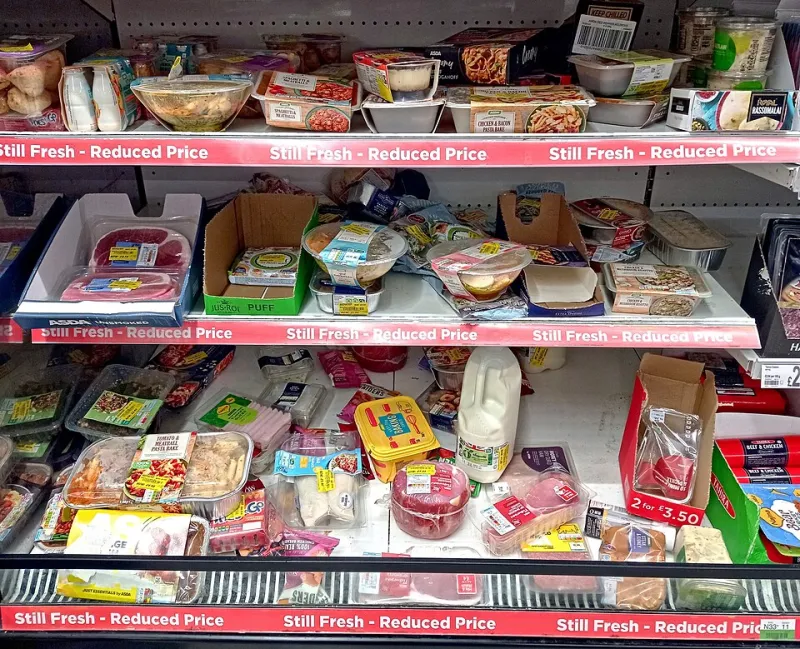
Photo: Philafrenzy, CC BY-SA 4.0, via Wikimedia Commons
The Counter Changes Character
At about twenty to four on a wet November afternoon, a good sandwich counter stops being a lunch counter and becomes something else entirely. The queue has gone. The till is quiet. Someone in a clean apron appears with a roll of yellow stickers, and the day’s remaining sandwiches are suddenly part of a smaller, more honest economy.
This is not a glamorous side of British lunch. It is, though, one of the most useful. In 2026, with a decent shop-bought sandwich edging towards the price of a small supper, the late counter is where value, freshness and good housekeeping meet. It is also where a shop’s standards become unusually easy to read.
Why the Markdown Happens
A sandwich has a short working life. Once it is built, wrapped and chilled, it is on a clock. Shops know this, which is why markdowns exist: a reduced sandwich recovers some money, keeps waste down and gives a customer a bargain. The timing varies. Some high street chains start reducing mid-afternoon; independents tend to use judgement, often waiting until the last hour or so before closing.
A sticker is not simply a discount. It is a small confession about shelf life. It tells you the shop would rather sell that sandwich at a lower price than pretend it is still a full-price item at five o’clock. That is sensible. The interesting question is not whether markdowns happen, but how they are handled.
The Good Survivors
The late counter rewards certain fillings and punishes others. The sandwiches that come through a yellow sticker with dignity tend to be firm, savoury and well protected by fat or acidity. Mature British cheddar with pickle is a classic for a reason. Ham with mustard, cold roast beef with horseradish, cheese and chutney, or a well-seasoned roast chicken sandwich in a sturdy wrap all tend to hold their shape and their temper.
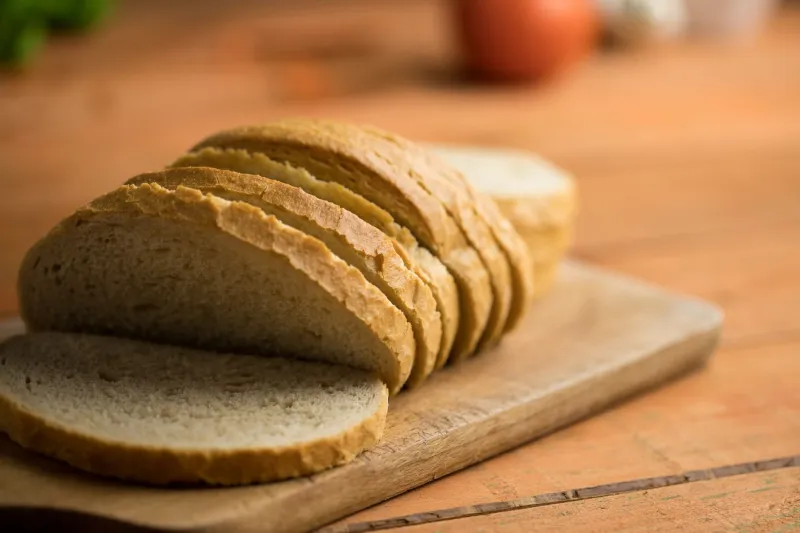
Bread matters as much as filling. A crusty bloomer, a sourdough roll or a focaccia slab can take a few hours in a chiller without collapsing into a sad, damp cushion. A butter barrier helps, too. So does a relish with some backbone. These are the sandwiches that still taste like lunch at half past four, rather than a lesson in compromise.
The Ones to Leave
Some sandwiches should not be rescued by a sticker. Anything with a high water content is a risk: sliced tomato, cucumber, soft lettuce, egg mayonnaise, prawn cocktail, tuna mayo. These are not bad fillings in themselves. They are simply less forgiving after a few hours in chilled air. The bread goes limp, the mayonnaise slackens, and the whole thing develops the telltale sheen of a sandwich that has been waiting too long for its moment.
Also treat hot-held items with caution. A reduced sausage sandwich that has been sitting under a lamp is not the same proposition as a chilled cheese roll. And if the wrapping is already condensation-heavy, or the filling looks tired before you have even picked it up, walk on. A discount does not improve a sandwich that was already past its best.
What the Counter Says About the Shop
A shop’s end-of-day habits are quietly revealing. Good shops reduce early enough to be honest about quality. They keep marked-down items separate, rotated and clearly labelled. They maintain the cold chain, keep the counter clean and do not use stickers as a way of pretending old stock is new. Staff will usually tell you when reductions happen if you ask politely, and they will not pressure you into buying something they would not eat themselves.
Less careful shops slap stickers on whatever is left and hope the bargain instinct does the rest. That is where the customer needs a little discipline. Look at the wrap. Look at the filling. Look at the date and the time on the label. A yellow sticker is a starting point, not a guarantee.
The British Bargain Instinct
There is a particular British pleasure in finding a reduced lunch. It sits somewhere between thrift and sport. That instinct is not a bad thing. Food waste matters, and buying a sandwich that would otherwise be binned is a small, practical win. But a bargain is only a bargain if you actually wanted the sandwich. Buying five because they are cheap is not savvy shopping; it is a fridge full of regret by Tuesday.
The better approach is simple. Buy one late sandwich you genuinely fancy. Eat it within the shop’s stated window, or chill it quickly if it is for later. Do not leave it in a warm bag on a bus. And if your local shop has a reliable end-of-day routine, support it at full price now and then. The yellow sticker hour works best when the counter has a healthy lunch trade to begin with.
Rules for the Late Run
- Choose firm fillings: hard cheese, cured meat, roast chicken, pickles and chutneys.
- Avoid water-heavy salads and mayo-led fillings unless the wrap is tight and the shop is clearly on top of rotation.
- Check the wrapping for condensation and the filling for any signs of tiredness.
- Buy what you will eat, not what the sticker tempts you into.
- Keep it cold on the way home and respect the shop’s use-by guidance.
- Notice how the shop handles reductions. It tells you plenty about how it handles everything else.
The yellow sticker hour is not the most romantic part of British lunch. It is, though, one of the most truthful. It shows you what a sandwich is worth when the rush has gone, and which shops still care about the answer. A good late sandwich is not a compromise. It is simply lunch, marked down with a little honesty.