Edges Speak Louder Than Fillings: How to Read a Sandwich by Its Crust
At a good lunch counter, the first honest review arrives before you bite. It is the edge of the sandwich: the cut, the trim, the toast marks, the way the crust behaves when the filling starts to press against it. You can learn a lot about a sandwich shop from the outer centimetre of its work. Not everything, mind. But enough to know whether the person behind the counter is thinking about lunch in the same serious way you are.
This is not about crust snobbery. A soft white loaf with the crusts left on can be a beautiful thing, especially with good salted butter and a firm British cheddar. A chewy sourdough edge can be a nuisance if it saws the roof of your mouth. The point is not that one edge is better than another. The point is that the edge tells you what the shop understands about bread, texture and the practical business of eating on your feet.
The cut is the first clue
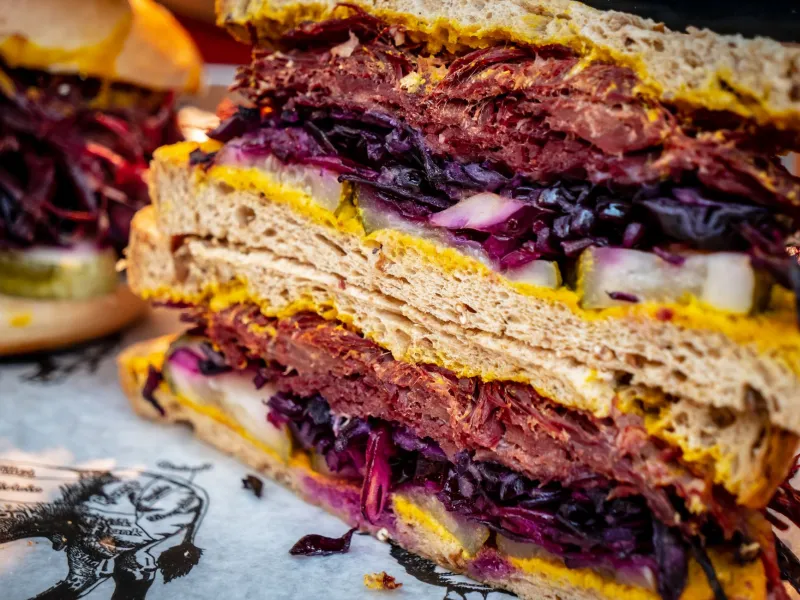
A sandwich cut is a small piece of knife work, and it is surprisingly revealing. A clean, confident cut through a bloomer or a tin loaf suggests a sharp knife, a steady hand and a shop that cares about the look of the thing. A ragged, squashed edge suggests either a blunt blade or a rush. Neither is a crime at noon on a Saturday, but it does tell you something about the kitchen’s habits.
Watch for the sandwich that has been pressed flat by a blunt knife. If the filling is bulging out at the cut and the bread looks bruised, the shop may be overfilling to compensate for something else. Generosity is good. Generosity that turns the crust into a leak is less good. The best edges are neat without being miserly: enough filling to satisfy, enough bread structure to keep it in place.
There is also the question of the diagonal cut. A triangular sandwich is not automatically better than a rectangular one, but a diagonal cut does expose more of the filling and gives you a clearer view of the layers. If the shop cuts diagonally, it is usually trying to show you something. Look at what it is showing.
Trimmed, or left alone?
In Britain we have a long and complicated relationship with crusts. Many of us were raised on crustless triangles at birthday parties and have spent adulthood pretending not to miss them. A shop that trims the crusts is making a choice: softer texture, tidier edges, a more polite lunch. A shop that leaves them on is making a different choice: more flavour, more structure, less waste.
Neither choice is inherently virtuous. The mistake is inconsistency. If the crusts are trimmed, they should be trimmed properly, not hacked off in a way that leaves a fringe of dry bread. If they are left on, the bread should be able to handle it. A thin, floppy white slice with the crust left on can be a lovely thing if the filling is soft and the bread is fresh. The same crust on a dry loaf is just extra work for your jaw.
The edge also tells you about waste and economics. Trimming crusts creates offcuts. A good shop finds a use for them: croutons, breadcrumbs, staff lunch, a bowl by the till. A shop that trims badly and bins the evidence is telling you something about its margins and its standards.
Toast marks and the heat question
A toasted edge is a useful signal. If the shop is toasting the bread, the crust should be evenly coloured, not scorched in one patch and pale in another. A good toastie has an edge that is crisp but not brutal, with the filling hot enough to melt but not so hot that it has turned the bread into a soggy sleeve.
Pay attention to the gap between toasting and serving. A sandwich that has been toasted and then left to sit will have a crust that feels dry and a filling that has gone quiet. A sandwich toasted to order will have an edge that still has a bit of give. In a busy lunch shop, this is often the difference between a counter that batters through the queue and one that manages it.
The bread’s own edge
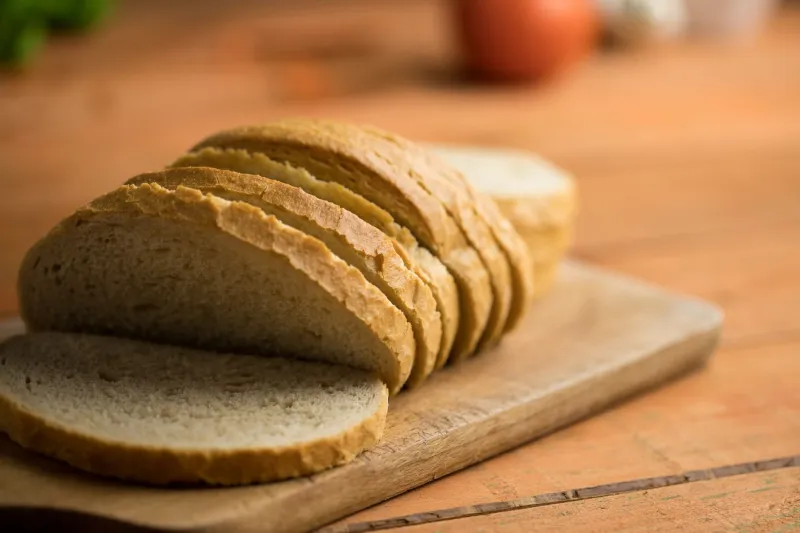
Different British breads carry their crusts differently. A soft white tin loaf gives you a thin, pale edge that almost disappears. A bloomer gives you a floury, slightly chewy edge that needs a sharp knife and a bit of respect. A sourdough edge can be magnificent, but it can also be a weapon if the sandwich is made too thick. A granary loaf brings a nutty edge that works beautifully with ham and pickle, but only if the slice is not so thick that the crust dominates.
The shop’s choice of bread is the context for everything else. If the filling is delicate, a heavy crust will overwhelm it. If the filling is robust, a soft edge may collapse. The best shops match the edge to the filling. They do not simply use the same loaf for everything because it is cheap or because it looks rustic on the shelf.
A short field guide to the edge
- Clean cut, no squash: likely a sharp knife and a calm kitchen.
- Ragged cut, filling leaking: likely a rush, a blunt blade or too much spread.
- Crusts trimmed neatly: likely a polite shop, but check the filling is generous enough to justify it.
- Crusts left on with confidence: likely a shop that trusts its bread and expects you to do the same.
- Even toast marks: likely a shop that cooks to order, or at least pays attention.
- Dry, pale toast edge: likely a sandwich that has been waiting around.
- Crust that fights back: not necessarily bad, but the filling needs to be soft enough to balance it.
What the edge cannot tell you
The crust is a signal, not a verdict. A neat edge does not guarantee good cheese, and a rough edge does not mean the sandwich will taste bad. The real test is still the first bite: the balance of bread, butter, filling and seasoning. But the edge is where the shop’s intentions show. It is the part of the sandwich that has been handled most, cut most and judged most quickly. If a shop gets the edges right, it is usually thinking about the whole lunch.
So next time you are at a counter, look before you bite. The crust is not just the bit you leave on the plate. It is the shop’s handshake, its calling card and its first honest word about how seriously it takes the business of a proper sandwich.