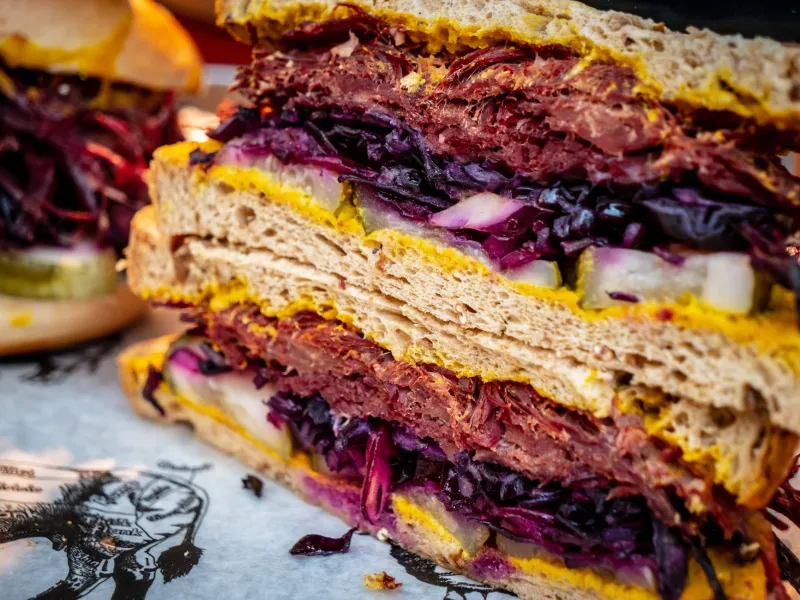
The Counter Is Back: Britain's Independent Sandwich Shops Are Having a Moment
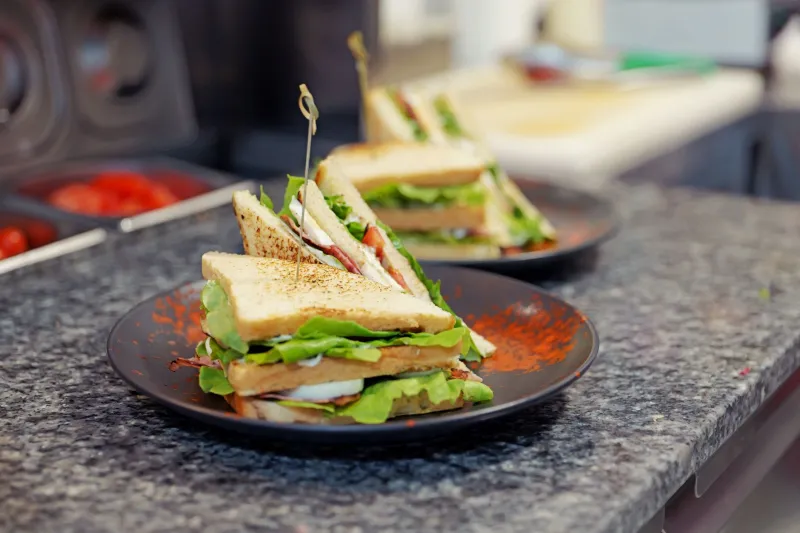
Lunch in Britain has always been a small act of loyalty. You choose a counter, you learn its rhythms, you know when the bread comes out of the oven and when the good ham is likely to run out. In 2026, that loyalty is being rewarded. After years in which the high street seemed to be all vape shops and empty units, independent sandwich counters are quietly taking space back. They are not chain clones. They are small, opinionated, and often run by people who care more about the provenance of a tomato than the colour of the branding.
Why the counter is having a moment
Hybrid work did not kill lunch; it changed it. Office workers may be in three days a week, but when they are in they want something worth leaving the desk for. At the same time, suburban high streets and market towns have picked up trade from people working closer to home. A good sandwich shop can serve both: it is quick enough for a working lunch, but good enough to feel like a treat. Rents on secondary high streets remain more achievable than prime city-centre sites, and small units can be turned around without a huge fit-out. The economics are tight, but they are legible: a focused menu, fast service, low waste, and a product people talk about.
Three counters to watch
Bread & Bone, Leeds
Bread & Bone is a good example of the new breed: a narrow shopfront, a short menu, and a queue that forms before noon. The owner buys beef from a Yorkshire farm, bakes with a local miller's flour, and changes the specials board with the seasons. The signature is a rare roast beef sandwich with horseradish cream and pickled shallot, but the shop's real skill is in the small stuff: onions cooked down slowly, bread that holds without being bready, and sauces that taste of something. The team prep in batches, use trim for soup or specials, and sell a limited number of pre-order boxes to local offices. That pre-order trade smooths the lunchtime peak and gives the kitchen a predictable second revenue stream.
The Salt Hatch, Bristol
The Salt Hatch takes a different route: a West Country larder approach, with a menu built around cheese, cured meat, and whatever is good from the greengrocer that morning. The shop is tiny, with a hatch to the street and a few stools inside, and it leans into the idea of the counter as a place to chat about what you are eating. Sourcing is direct where possible: a Somerset cheesemaker, a Bristol bakery, a herb grower on the edge of the city. The owners keep the menu to eight sandwiches and rotate two specials. That might sound restrictive, but it is a deliberate economic choice. Fewer ingredients mean less waste, faster training, and a clearer identity. The Salt Hatch also sells a small range of pantry items, which turns a lunchtime visit into a slightly bigger basket.
Clyde Larder, Glasgow
Clyde Larder shows how regional identity can be a commercial advantage. The shop uses Scottish produce without turning the menu into a tourist cliché: hot-smoked salmon, crowdie, pickled beetroot, good ham, and a morning roll that sells out early. The owner has built relationships with a fish smoker on the west coast and a butcher who supplies rare-breed pork. The shop's location, just off a busy bus route, captures both commuters and local workers. Its costs are controlled by a simple rule: every sandwich has a job. Nothing is on the board unless it sells consistently or tells a story. The specials are limited, the packaging is minimal, and the team is trained to assemble quickly without losing care.
The economics of a serious sandwich
A sandwich shop can look simple from the counter side. Behind the scenes, it is a low-margin, high-turnover business. Food costs typically need to sit in the low thirties as a percentage of sales, and labour has to be planned around a very short trading window. Rent, energy, and packaging all take a bite. In 2026, the operators who are doing well tend to share a few habits. They keep the menu tight. They price properly, rather than apologetically. They prep in advance and finish to order. They use expensive ingredients as accents, not filler. They build relationships with suppliers so they can get consistency and a fair price. And they understand that a lunchtime queue is not just demand; it is an operational problem that needs to be managed.
Sourcing is where the good shops differentiate themselves. Direct relationships with farms, bakeries, cheesemakers, and fishmongers give a counter a story and a better product. But sourcing is also a discipline. A local ingredient that costs too much or arrives inconsistently can break the model. The best owners test a supplier on one special before committing, and they keep a reliable fallback for the basics. They also use the whole ingredient: trim becomes a soup, stale bread becomes crumb, herb stems go into dressing.
Advice for aspiring counter owners
If you are thinking about opening a counter, start smaller than you think. A short menu is easier to run well. Cost every recipe, including the pickle and the packaging. Find one signature sandwich and make it the reason people come back. Spend time in the area at lunchtime and count footfall; then talk to the businesses nearby about what they would actually buy. Build a relationship with one baker and one supplier before you sign a lease. Train for speed and consistency. Keep allergen information accurate. And remember that the counter is a performance: people want to see care, but they also want to be served before their lunch break ends.
The lunchtime ritual
The comeback of the independent sandwich shop is not nostalgia. It is a practical response to what people want from lunch in 2026: something fresh, local, and worth the walk. The best counters are not trying to be restaurants. They are trying to be part of the day, a small stop that makes the afternoon better. That is a modest ambition, and a powerful one. If the high street is going to thrive, it will be built on places like these.