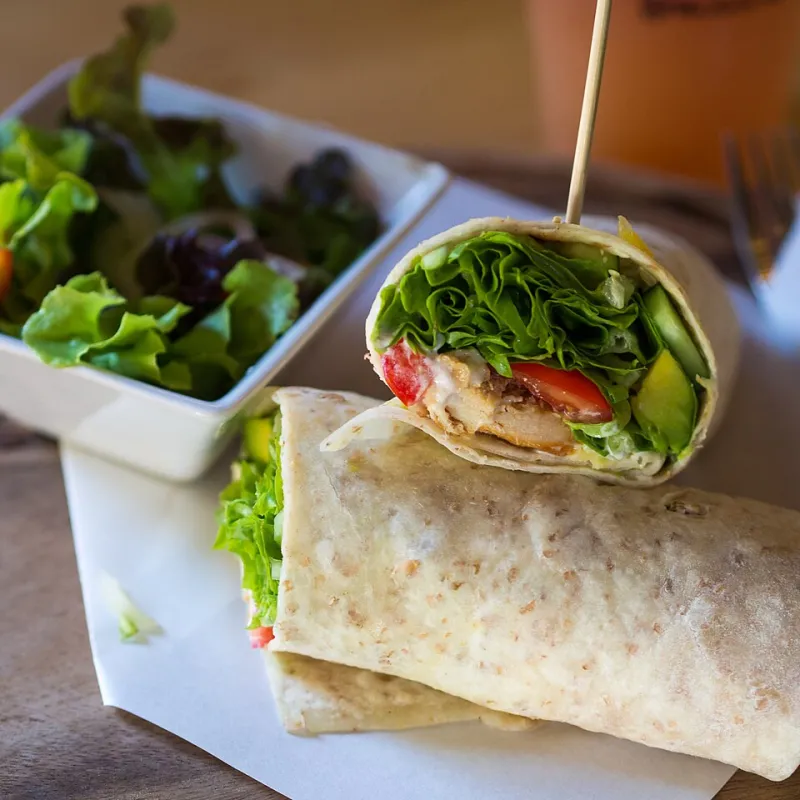
A Bowl Beside the Board: Winter Rules for Soup and Sandwich
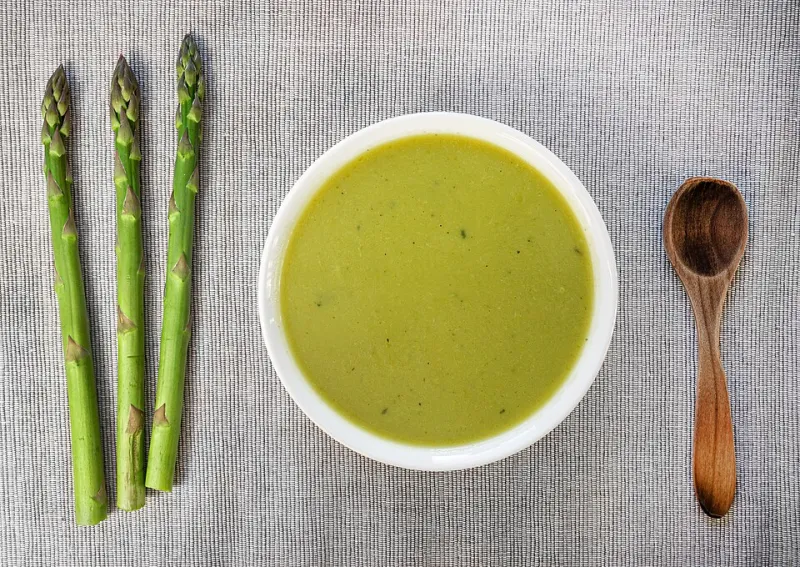
Photo: Petar Milošević, CC BY-SA 4.0, via Wikimedia Commons
There is a moment, somewhere between November and February, when a sandwich alone stops feeling like enough. The wind gets under the coat, the office radiator starts its clicking, and the mind turns to something hot beside the board. Soup, obviously. But the soup-and-sandwich lunch is not automatically a happy arrangement. Too often it is a partnership of convenience: a good sandwich ruined by a careless broth, or a fine soup let down by bread that gives up at the first dunk.
Winter 2026 is as good a time as any to settle the terms. The best lunchtime duo is a treaty, not an accident. Each side has to know its role.
The Treaty, Not the Accident
A sandwich is a structure. A soup is a liquid. Put them together without thought and the liquid wins. The bread goes soggy, the filling slides, and you end up eating a damp disappointment with a spoon.
The treaty starts with respect. Choose soup that complements the sandwich rather than competing with it. Choose bread that can hold its own without turning into a sponge. And decide, before you sit down, whether you are dipping, spooning, or simply sipping alongside. Those are three different lunches, and each has its own rules.
Ranking British Soups by Sandwich Compatibility
Not all soups are built for the same job. Some are natural partners; others are better kept at arm's length with a dry roll on the side.
Top tier: leek and potato, split pea, and thick mushroom. These are the diplomats of the soup world. They are substantial enough to cling to a sandwich corner without flooding the crumb. Leek and potato suits mature cheddar, ham, or a simple cheese-and-pickle number. Split pea has the body for a ham sandwich and enough savoury depth to stand up to mustard. Mushroom soup, when it is properly thick rather than watery, works with beef or a dark, nutty cheese. These soups flatter rather than flood.
Middle tier: tomato, lentil and bacon, and Scotch broth. Tomato is the classic, but thin tomato soup is a menace to bread. Look for a roasted or thickened version, and pair it with a toasted cheese sandwich that can take a little moisture. Lentil and bacon is sturdy and forgiving, though it can overwhelm delicate fillings like egg or cucumber. Scotch broth, with its barley and lamb, is a fine winter soup, but its thin broth means the sandwich should stay mostly dry. Treat it as a sipping soup, not a dipping pool.
Handle with care: chicken and barley broth, minestrone, and any clear vegetable broth. These are lovely soups in their own right, but they are watery and mobile. They will find every crack in a crust and every gap in a filling. If you must pair them with a sandwich, choose a dry, tight-crumbed bread and keep the two separate until the last possible moment. Better still, use a spoon to ladle a little soup over the filling rather than dunking the whole thing.
Crusts Under Pressure: The Leakage Test
The crust is the handle. The crumb is the sponge. That is the first rule of soup-and-sandwich engineering.
A dense tin loaf, a granary loaf, or a well-baked sourdough with a tight crumb will hold up best. The crust gives you something to grip, and the close texture slows the soup's advance. A bloomer is good if the crumb is not too open. Ciabatta and baguette are riskier: their airy holes are inviting, but they are also perfect channels for broth. A seeded crust adds texture, but seeds can shed into the bowl and make the whole affair messy.
Toasting the cut side of the bread creates a barrier. So does a thin layer of butter or a smear of mustard under the filling. These are not indulgences; they are defence works. If you are making the sandwich at home, let it rest for a minute after assembly so the butter sets slightly. If you are buying at a counter, ask for the soup in a cup rather than a bowl. It is easier to control, and it signals that you take the lunch seriously.
The Dip Itself: Dunk, Kiss, or Spoon
At the counter, etiquette matters. Do not double dip. Do not submerge half a sandwich and then return it to the board. The one-dip rule is sensible: take the corner of the sandwich, dip it once, eat it, and move on. If the soup is served in a bowl and you are sharing a table, keep the dipping to your own side.
At the desk, the rules are tighter. Cut the sandwich in half so you have a clean edge to dip. Keep the soup to the left if you are right-handed, and put a napkin underneath. Never leave a sandwich half-submerged while you answer an email. The spoon is your friend: use it to ladle soup onto the sandwich rather than pushing the bread into the bowl. It is slower, but it is tidier, and it keeps the crust intact.
A Simple Framework for Winter 2026
If you remember nothing else, remember this: thick soup with tight-crumbed bread, thin soup with dry bread, and assertive fillings with soups that will not fight them. A leek and potato soup with a mature cheddar granary sandwich is a reliable treaty. A thick mushroom soup with rare beef on sourdough is a treat. A clear broth with a dry roll and a ham sandwich is a sensible ceasefire.
The soup-and-sandwich lunch is one of the great British winter rituals. It deserves better than a rushed dunk. Sit down, give the bread its due, and let the bowl do its work beside the board. That is the accord worth keeping.