The Night-Before Lunch: What to Build at 10pm and What to Leave Until Morning

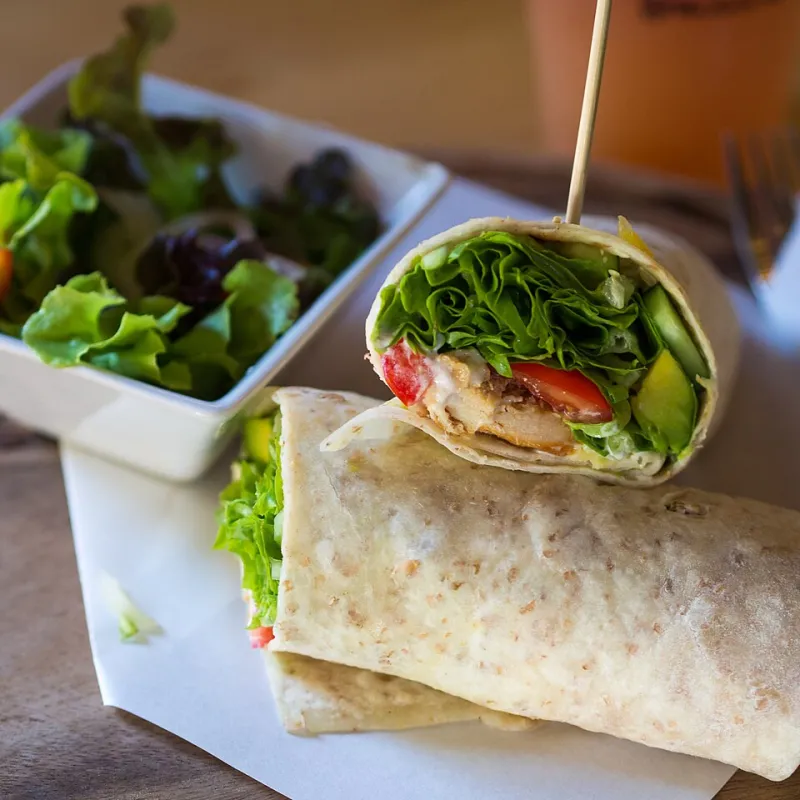
Photo: make ahead sandwich wrapped in parchment paper in lunchbox on kitchen counter, via images.justpark.com
There is a particular kind of optimism in making a sandwich the night before. It suggests that the person who sets the alarm for 6.40am will be calmer, tidier and more organised than the person standing in the kitchen at 10pm with a knife and a jar of chutney. Sometimes that is true. Often it is not.
We tested the idea over a working week: six sandwiches built after dinner, wrapped, chilled and eaten at 12.30 the next day in an office where the kettle takes four minutes and the fridge is a diplomatic incident waiting to happen. Each was scored on structure, flavour and whether it was worth the trouble. The results were not uniform. Some sandwiches genuinely improve overnight. Others merely survive. A few should never be made ahead at all.
The fillings that genuinely improve overnight
Cheese and pickle is the obvious winner, but only if you use a mature cheddar with enough acidity to cut through the chutney. A cheddar-and-Branston sandwich made on Sunday night and eaten on Monday lunchtime tastes more integrated than one built at 8am; the bread has had time to hydrate, the pickle has seeped into the crumb, and the cheese has lost its fridge chill. Cold roast pork with apple sauce improves in a similar way. So does corned beef with piccalilli, provided the piccalilli is drained a little. Smoked mackerel pâté, spread thinly and sealed under a layer of buttered bread, holds up well. The common thread is fat, salt and acid meeting a bread that can take it.
The ones that punish you by noon
Anything with a high water content is a risk. Sliced tomato, cucumber, lettuce, avocado, prawn mayo and egg mayo all suffer. Egg mayo does not go off overnight in a cold fridge, but it does go watery and the bread around it turns to paper. Crisps are a lovely idea and a terrible overnight one; they soften into a sad, salty mush. Fresh herbs wilt. Hot sauce applied directly to bread makes a damp patch. If you want any of these, pack them separately and add them at your desk. That is not a compromise; it is the correct method.
Bread first, always
The bread matters more than the filling. A thick-cut granary, a sourdough with a tight crumb or a decent wholemeal loaf will hold its shape. Soft white sliced bread squashes under the weight of a lunchbox and turns claggy by noon. Day-old bread is better than fresh; it has less free water and a firmer structure. Toast it lightly if you want an extra barrier, though be aware that toasted bread changes the texture of the whole sandwich. Butter both slices from edge to edge, not just in the middle. That thin film is the difference between a sandwich that survives the night and one that surrenders to it.
The layering order that actually works
Think of the sandwich as a small building with a damp course. Bottom slice, butter, then a moisture-tolerant layer such as cheese or cold meat. Put any chutney or pickle in a shallow trench down the middle rather than across the whole slice; it keeps the edges dry. Add crunch next, then the top slice, buttered. If you must use tomato, deseed it, salt it for ten minutes, pat it dry and place it between two slices of cheese. Never put wet salad against bread and expect it to behave. A sheet of parchment between the filling and the top slice can help, but it is a fussy solution; better to pack the salad separately.
British ingredients that hold their nerve
Mature cheddar, Red Leicester and Double Gloucester are reliable. Stilton works if you crumble it and mix it with a little butter to stop it scattering. Ham hock, cold roast beef sliced thickly, and good corned beef all improve with a night in the fridge. Pickled beetroot is delicious but bleeds; wrap it separately or accept a pink sandwich. Piccalilli, Branston, ale chutney and English mustard are all useful, though mustard is water-based and should go under the cheese rather than on the bread. Apple slices tossed in lemon juice are fine overnight. Watercress, celery and fennel should be kept in a separate pot.
Five overnight rules worth adopting
- Build the sandwich you would be happy to eat cold. If it needs heat to be good, make something else.
- Butter both slices, edge to edge.
- Keep wet ingredients in a small lidded pot, not in the sandwich.
- Wrap in parchment, then place in a rigid box. Cling film directly on bread makes it sweat.
- Take the sandwich out of the fridge twenty minutes before lunch. Cold bread tastes of nothing.
A Tuesday example
Granary bread, buttered both sides. A layer of mature cheddar on the bottom. Branston in a trench. Sliced apple tossed in lemon. The top slice goes on, the whole thing is wrapped in parchment and boxed. Watercress travels in a separate pot. At 12.20 the box comes out of the fridge. At 12.40 the watercress goes in. The sandwich is firm, sharp, sweet and savoury, and better than the one you would have made in a hurry that morning.
The verdict
Not every sandwich should be made ahead. A bacon butty, a chip butty, a hot salt beef on rye: these are morning-of sandwiches, and that is fine. But the night-before lunch has its own rewards. It is not a shortcut; it is a different recipe. Treat it as one and your Tuesday will be better for it.