The Quiet Wrap: What Paper, Foil and Cardboard Do to a British Sandwich
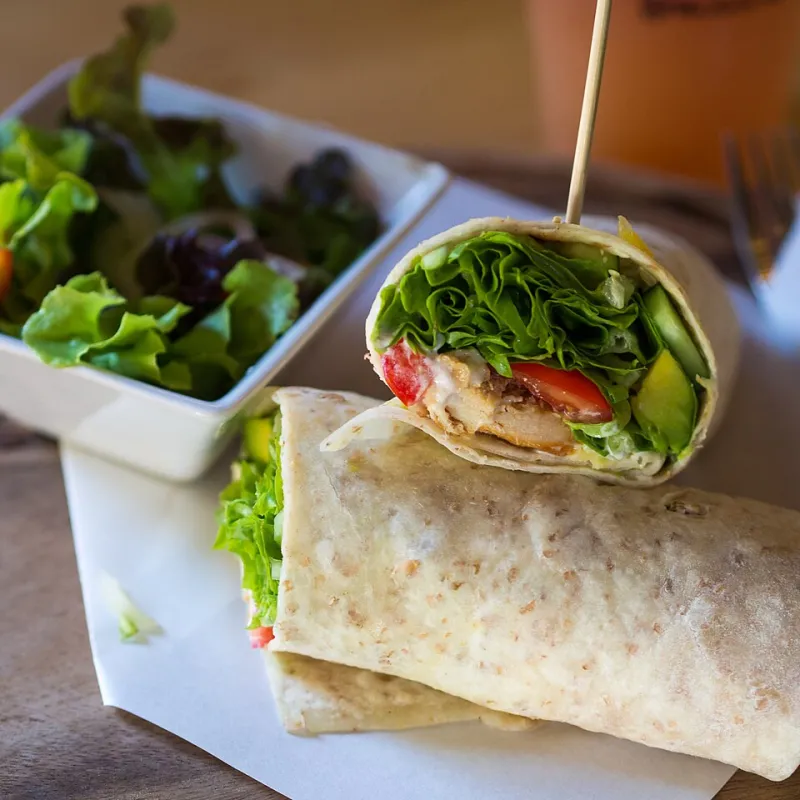
Photo: Takeaway, CC BY-SA 3.0, via Wikimedia Commons
A sandwich has two journeys to survive: the one from the counter to the table, and the one from the table to the first bite. The second is where wrapping earns its keep. At Latimer's we care about fillings, bread and butter, but the paper, foil or box around them can tilt a good lunch towards disappointment faster than a missed seasoning. This is not a packaging audit. It is a quiet argument for choosing the wrapper that suits the sandwich, the journey and the dignity of the person eating it at a desk.
The desk test: greaseproof earns its keep
For a cold sandwich eaten at a desk, greaseproof paper is the sensible default. It is breathable enough to stop the crust turning to damp carpet, it does not squeak like foil and it can be folded into a parcel that opens without scattering crumbs across a keyboard. A double fold and a paper band are enough. The weakness is structure: a soft roll with a wet filling will still squash if the parcel is shoved into a bag. Greaseproof protects against drying, not against gravity.
Cling film is the opposite. It seals tightly, which sounds helpful until you remember that a sandwich is not a jar. Trapped moisture softens crusts, wilts lettuce and turns a once-crisp edge into something tired. I would keep cling film for fridge storage, not for a lunch carried across town. If you must use it, wrap the sandwich in greaseproof first and let the cling film act as an outer raincoat rather than a sweaty shirt.
Foil is a temperature tool, not a default
Foil has a firm place in the sandwich world, but it is not universal. For a hot sandwich — a toastie, a fried-egg buttie, a warm salt-beef roll — foil holds heat and keeps the filling from leaking into a bag. It also gives a train-seat lunch a certain structural confidence. But foil on a cold cucumber sandwich is a mistake: it reflects nothing useful, traps moisture and adds a metallic rustle to every bite. Use foil when warmth matters. Use paper when texture matters. Use both when the sandwich is hot and the journey is long: paper against the bread, foil outside.
Waxed wraps and the middle ground
Waxed wraps sit between paper and plastic. They fold well, resist a little moisture and can be reused, which appeals to anyone who has stared into a kitchen drawer full of half-crushed cling film. They suit firm sandwiches — cheese, ham, cold roast chicken — and they handle a picnic better than greaseproof alone. They are not magic. A waxed wrap will not save a sandwich from a warm car or a wet tomato, and it can leave creases that make a neatly cut sandwich look as if it has been through a scrum. Still, for a desk lunch or a short walk, it is a reasonable compromise.
Cardboard boxes: structure and self-respect
A cardboard box is the most dignified wrapper in the cupboard. It stops a sandwich being crushed under a laptop, a water bottle or a pair of trainers, and it gives a packed lunch the feeling of having been considered. The catch is moisture. Cardboard wicks and softens, so a wet filling needs a paper barrier inside. A box with no inner wrap is fine for a dry sandwich and a disaster for a tomato one. For train journeys, a box plus greaseproof is hard to beat: the paper looks after texture, the box looks after shape.
Train journeys: build for the bag, not the photo
Train lunch is a test of anticipation. The sandwich will be tilted, pressed and possibly sat on. Choose a filling that can take it — roast chicken, cheese, cold cuts — and wrap it in paper first. Add a box if you have one. Keep sauce in a small pot rather than smeared inside, because a leak on a train is a public event. Foil is acceptable for a hot sandwich, but do not wrap a cold one in foil just because it looks tidy. The wrapper should be invisible at the first bite, not the main event.
Picnic bags: deal with moisture before it starts
Picnics expose the real enemy: water. Lettuce, tomato, cucumber and coleslaw all release moisture, and no wrapper can undo a soggy filling. Dry the leaves, salt tomatoes just before eating and keep wet fillings separate. Use waxed paper or greaseproof for each sandwich, then a box or a cool bag. Foil is useful for keeping the sun off, but it is not a cool bag. A sandwich that has spent three hours in a warm rucksack will taste of its packaging no matter how clever the fold.
Four wrapping rules worth keeping
First, match the wrapper to the filling: paper for crisp, foil for hot, box for fragile. Second, wrap firmly but not tightly; a sandwich needs to stay together, not be compressed. Third, put a paper barrier between bread and any wet filling. Fourth, keep sauces and pickles separate until the last moment. These are not rules for a packaging audit. They are small habits that let the sandwich arrive as it left: bread with an edge, filling in the right place, and lunch with a bit of self-respect.