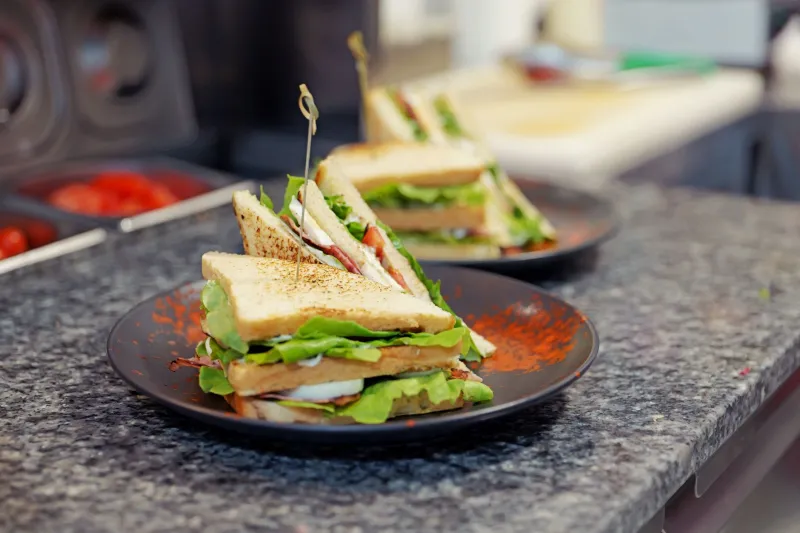
Cheap Bread, Dear Lunch: The True Arithmetic of a British Sandwich
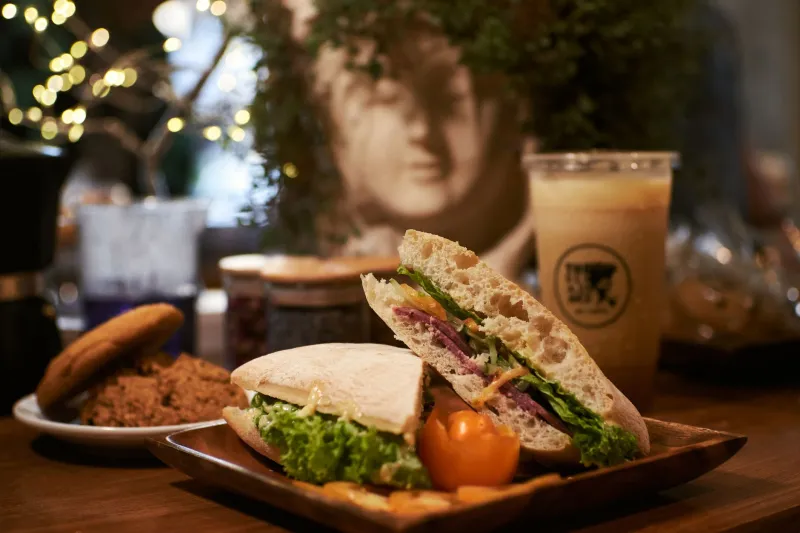
A fiver is no longer a casual lunch. In 2026 it is a decision. You stand at the counter, look at the board, and weigh a £3 cheese sandwich against a £7 one with roast chicken and leaves. Both are wrapped in paper. Both are called lunch. The question is not whether the cheaper one is bad or the dearer one is a rip-off. The useful question is what each price is actually paying for.
I spoke to independent sandwich shops in Bristol, Leeds and Cardiff about their cost stacks. None of them wanted to be presented as martyrs, and none pretended that a £3 sandwich is impossible. They all said some version of the same thing: cheapness has to come from somewhere, and so does quality. The trick is knowing which compromises you are buying.
What goes into a fiver
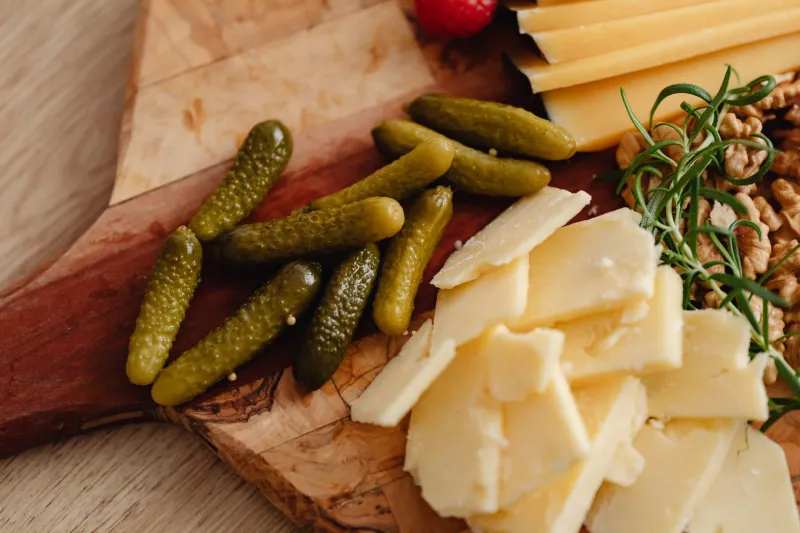
Start with ingredients. A shop making a cheddar, pickle and watercress granary sandwich from scratch is buying block cheddar, proper butter, a loaf from a bakery, and pickles it may make or buy in small batches. The industrial version uses sliced cheese, sandwich spread, long-life bread and bagged salad. Neither is automatically dishonest. But they are not the same product.
Flour, butter and cheese costs have been volatile since 2022. Even when commodity prices ease, rent, energy and labour do not fall back in a neat line. A sandwich shop is a small manufacturing business with a shopfront. It pays for the fridge, the lights, the card machine, the insurance, the waste, and the person who builds your lunch while you check your phone.
The cost stack behind the counter
Take an illustrative £5 sandwich: granary bread, mature cheddar, pickle, watercress and butter. Ingredients might land between £1.60 and £2.00 depending on volume and provenance. Packaging is another 10p to 20p. Labour for two to four minutes at £12-plus an hour is 40p to 80p. Rent, energy, insurance, card fees and waste might add £1 to £1.50 per sandwich at a modest volume. That puts the shop's cost at roughly £3.50 to £4.50 before tax and margin.
At £5, the margin is thin but real. At £3, something has to give. It might be a smaller sandwich, cheaper bread, less labour, a lower-rent site, or a lower margin. It might be all of those. A busy shop with high volume and low overheads can make a £3 sandwich work honestly. A shop in a prime location with staff making fillings from scratch usually cannot.
Why a £7 sandwich can be fair
A co-owner in Leeds told me that the most expensive part of their roast chicken sandwich is not the chicken. It is the hour before opening: cooking, cooling, pulling, seasoning and cleaning. The meat cost matters, but so does the labour that turns it into a filling rather than a slice.
A Cardiff deli I spoke to uses Welsh butter and local leaves, and pays for compostable packaging. Its £6.50 sandwich is not aimed at people who want the cheapest lunch on the street. It is aimed at people who want to know that the filling was made that morning and the bread arrived from a bakery they can name. That is a value proposition, not a guilt trip.
The £7 sandwich also carries a different kind of waste. Fresh ingredients spoil. Scratch-made fillings have a shorter shelf life. A shop that cooks proper chicken and makes its own pickles is taking on risk that a shop buying sealed sandwich filler does not. Some of that risk is built into the price.
Where the compromises hide
At the budget end, the compromises are often invisible. Water-added meat, formed ham, bread with dough conditioners, salad that has been bagged for days, a scrape of spread instead of butter. Salt and sugar can be used to make up for flavour that has been engineered out. None of these things will necessarily hurt you, and a £3 sandwich that fills a gap is a legitimate lunch.
But cheapness is not the same as value. If a sandwich falls apart, tastes of nothing but salt, or leaves you hungry by 2pm, the saving is smaller than it looked. If a £5 sandwich is built with care and holds together, it can be better value than a £3 one you forget by the time you reach the bus stop.
The other hidden cost is to the shop itself. A counter that undercharges for scratch cooking is not being generous for long. It is either subsidising lunch from somewhere else or heading towards a quiet closure. Value over cheapness means paying a price that keeps the good places open.
How to read a sandwich price
Ask a few practical questions. Is the filling made here, or at least assembled here? Is the bread fresh and suited to the filling? Does the sandwich hold together? Is the portion enough for lunch rather than a snack? Does the shop explain what it is selling, or just undercut the place next door?
A £3 sandwich can pass those tests. A £7 sandwich can fail them. Price is a signal, not a verdict. In 2026, the honest lunch is the one where you can see what you are paying for: ingredients with flavour, labour that has not been rushed, and a shop that is still there next month.