The Seasonal Sandwich: Eating the British Year, Slice by Slice
A good sandwich is a small weather report. It tells you what the ground is doing, what the greengrocer is excited about and what the cook has been thinking about since breakfast. In Britain, where the seasons are less a calendar and more a series of strongly held opinions, eating with the growing year is one of the simplest pleasures left at lunchtime.
As I write in early November 2026, the game is in, the roots are sweet and the first proper frosts are still deciding whether to commit. The sandwich year is turning again. This almanac is not a rulebook. It is a set of gentle prompts for anyone who wants their lunch to feel a little more connected to the fields, markets and counters around them.
Why Eat the Calendar?
Seasonal eating can sound pious. It should not be. The argument for a seasonal sandwich is not about denial. It is about flavour. A tomato in August tastes like a tomato. A tomato in January tastes like a memory of a tomato, wrapped in plastic and shipped a long way. The same goes for cucumbers, strawberries and the first new potatoes. When an ingredient is in its moment, you need to do less to it.
There is a practical argument too. Seasonal fillings tend to be cheaper, because there is more of them about. They tend to be better, because they have travelled less. And they give the lunchtime menu a natural rhythm, so that a sandwich shop does not feel like a list of the same twelve fillings forever.
At Latimer's, we like a menu that shifts with the year. Not dramatically. We are not going to take away the cheese and pickle because it is June. But we will make room for the first wild garlic, the asparagus, the game, the celeriac. The seasons are a useful editor. They tell you what to leave out.
January: Roots, Brassicas and a Little Optimism
January is not a glamorous month for sandwiches, but it is a honest one. The roots are still good: celeriac, carrots, parsnips, beetroot. The brassicas are doing their thing: kale, cabbage, Brussels sprouts if you are feeling brave. Mature cheddar, blue cheese and a sharp chutney make sense here.
A good January filling: roast celeriac with remoulade, watercress and a slice of mature cheddar on dark rye. Or cold roast beef with horseradish cream and pickled beetroot. The sandwich should feel like a small fire in a cold month.
February: Purple Sprouting and Store-Cupboard Comfort
February is the tail end of winter, but the first purple sprouting broccoli starts to appear. It is a lovely thing in a sandwich, lightly blanched and tossed with olive oil, lemon and a little chilli, then paired with goat's cheese or a soft blue. If you cannot find purple sprouting, ordinary broccoli roasted until crisp at the edges works well.
This is also the month for store-cupboard thinking: pickles, chutneys, preserved lemons, good tinned fish. A sandwich of mackerel, beetroot and horseradish is a fine February lunch. So is a simple cheese and cucumber, if the cucumber is a good one and the bread is fresh.
March: Spring Greens and the First Radishes
March is a transitional month. The ground is waking up, but the shops are still full of winter roots and stored apples. Use the first spring greens, watercress and radishes. Eggs come into their own again. A frittata sandwich with spring greens and a little mustard is a good way to bridge the gap between winter and spring.
This is also the time to start thinking about wild garlic. It will not be here properly until April, but the anticipation is part of the pleasure. A good sandwich shop starts planning its wild garlic butter in March.
April: Wild Garlic and Asparagus
April is the month the sandwich year properly opens. Wild garlic appears in damp woodland and farmers' markets, and its leaves are one of the great British sandwich ingredients. Blitz them into butter, fold them through cream cheese, or use them raw in a chicken sandwich with lemon and radish. Asparagus arrives too, and it needs very little: good bread, salted butter, a few shavings of Parmesan or a soft boiled egg.
These are sandwiches that should be eaten outside, ideally on a bench, with the sun on your back and the strong suspicion that you have taken too long for lunch.
May: Peas, Mint and the First New Potatoes
May is a green month. Peas, broad beans, mint, salad onions and the first new potatoes all arrive around the same time. A sandwich of crushed new potatoes, peas, mint and a little mayonnaise is simple and excellent. Add cold roast chicken if you want it to be more substantial. Add crisp lettuce for crunch.
This is also a good month for radishes, which are best raw and sliced thinly, with butter and salt. A radish and butter sandwich on good sourdough is a reminder that a sandwich does not need to be complicated to be serious.
June: New Potatoes and the First Proper Salads
June is when the salad drawer starts to feel like a legitimate sandwich filling. Lettuce, cucumber, salad onions, herbs. New potatoes are still good. The first courgettes appear. Cold poached salmon with cucumber and dill is a lovely June sandwich. So is a simple egg mayonnaise with watercress and spring onion.
At this point in the year, the best sandwiches are the ones that taste of outside. Keep the fillings light, the bread fresh and the seasoning confident.
July: Tomatoes and Cucumbers
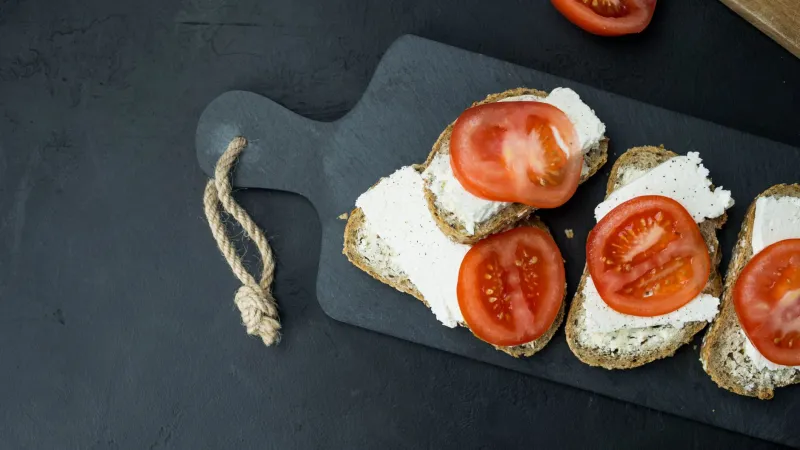
July is tomato month. British tomatoes, when they are good, need nothing more than salt, pepper, good bread and a little olive oil. A tomato sandwich is not a compromise. It is a celebration. Add cucumber for crunch. Add a little anchovy or a slice of cheese if you want more depth.
Cucumber is underrated in sandwiches. It brings water, crunch and a clean flavour that cuts through richer fillings. A cucumber, cream cheese and chive sandwich is a summer classic for a reason.
August: Peak Tomatoes and Courgettes
August is the peak. Tomatoes are at their best. Courgettes are plentiful. Basil is growing faster than anyone can use it. This is the month for a sandwich of grilled courgette, lemon ricotta, basil and toasted pine nuts. Or a simple tomato and mozzarella with a little pesto.
It is also the month to make the most of the barbecue. A sandwich of leftover grilled vegetables, hummus and herbs is a fine thing the next day. So is cold roast lamb with mint yoghurt and cucumber.
September: Mushrooms, Apples and Blackberries
September is a generous month. Mushrooms start to appear in earnest. Apples are coming in. Blackberries are in the hedges. A sandwich of sautéed mushrooms, thyme and a little blue cheese is excellent. So is cold pork with apple sauce and crackling, if you are lucky enough to have leftovers.
This is the month when the sandwich year starts to turn back towards the richer, warmer fillings. The first game may appear. The first proper chutneys are made.
October: Game and Squash
October is game season. Pheasant, partridge, venison. A cold game sandwich with pickled red cabbage and a little mustard cream is a wonderful thing. Squash is also good: roasted until soft, mashed with a little cumin or sage, and paired with goat's cheese or halloumi.
This is also the month for celeriac, which makes a excellent remoulade. A celeriac, apple and walnut sandwich is a good vegetarian option for autumn.
November: Roots and Chutneys
November is the month we are in now. The roots are sweet. The game is in. The chutney jar is open. A sandwich of roast beef with horseradish and pickled beetroot is a November classic. So is a cheese and chutney sandwich, preferably with a sharp mature cheddar and a chutney that has a bit of a kick.
This is also a good month for leeks, which are lovely slowly cooked with butter and thyme, then used as a filling with cheese or ham.
December: Brassicas, Cheese and Leftovers
December is the month of brassicas and cheese. Brussels sprouts, cabbage, kale. A sandwich of leftover roast turkey with stuffing, cranberry sauce and a little mayonnaise is a British institution. A sandwich of roast ham with mustard and pickles is just as good. And a simple cheese and pickle is always there when the fridge is empty and the shops are shut.
December is also the month to remember that the sandwich year is not about being perfect. It is about paying attention. A good sandwich is a small act of noticing: the season, the ingredient, the appetite. And then putting it between two slices of bread.