Cranberry Fatigue: Giving the 2026 Festive Fill a Fair Hearing
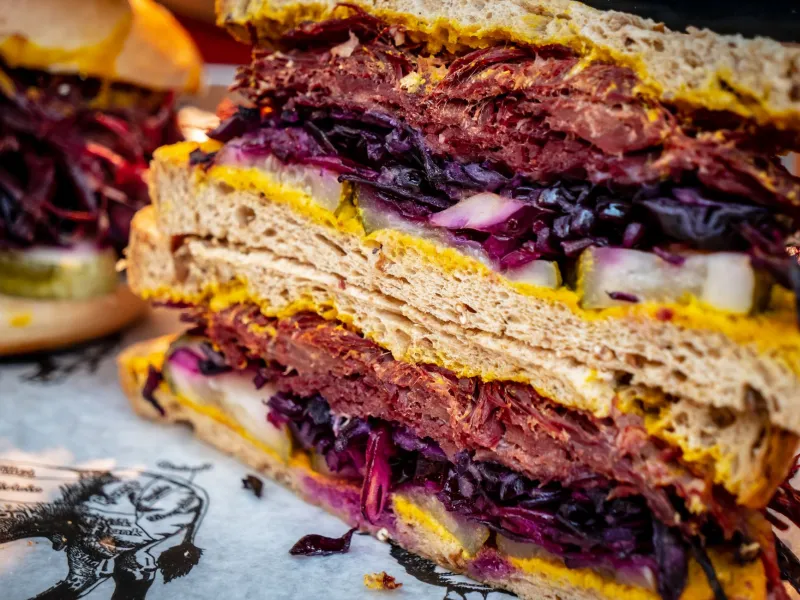
By the second week of November, the Christmas sandwich has already arrived. In 2026, the festive fill has moved from novelty to fixture, and the annual question is no longer whether it exists but whether it is any good. The answer is mixed. Some versions are proper lunches: balanced, savoury, and built on bread that can carry them. Others are cranberry sauce with a marketing budget and a sage-leaf garnish.
This audit is not a scrooge’s exercise. The Christmas sandwich is a legitimate lunchtime ritual, and a good one deserves to be celebrated. But if the genre is going to survive, it needs a standard. Mine is simple: the bread must have structure and flavour without sweetness; the filling must be balanced across salt, fat, acid, and sweetness; the British ingredients should taste of themselves; and the price should reflect what is actually between the slices.
The rules of the audit
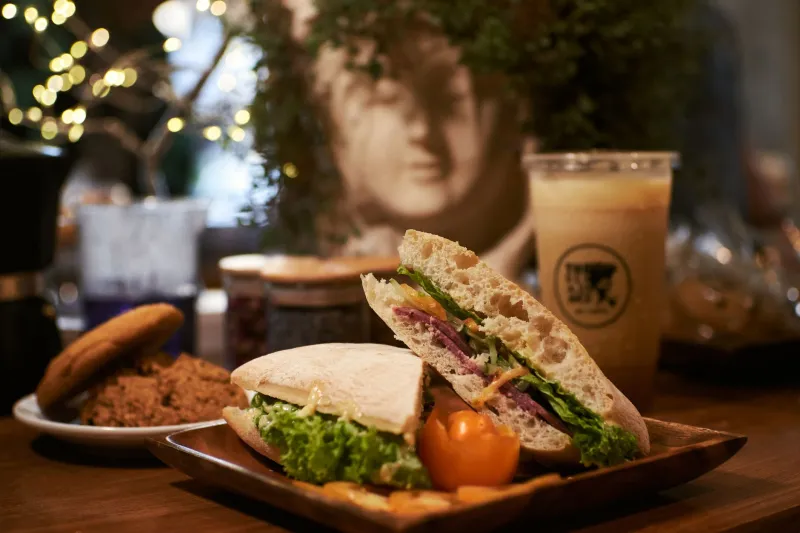
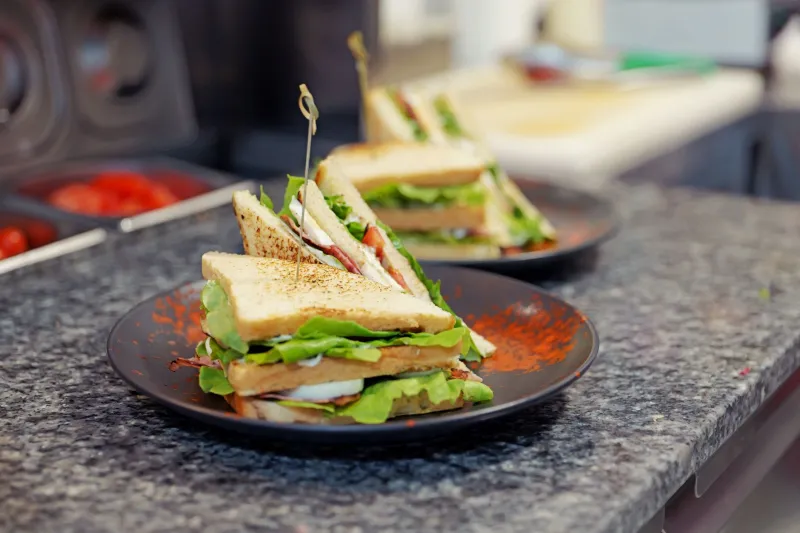
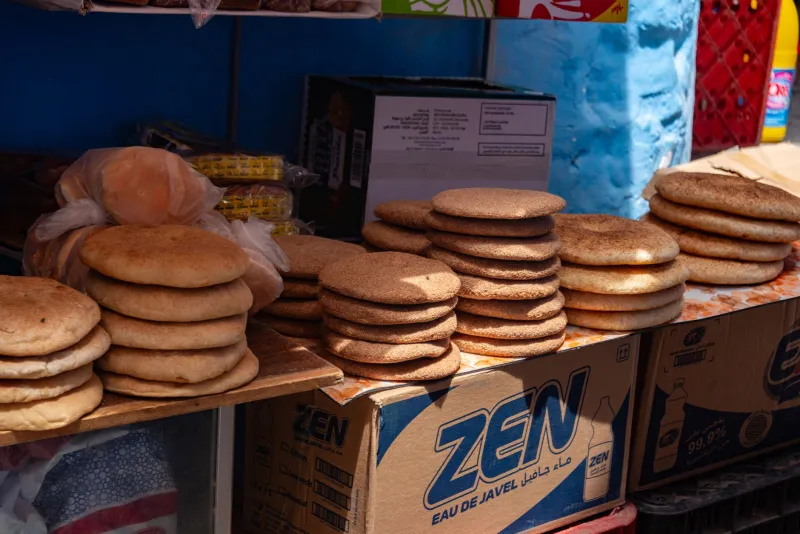
Bread is the first test. A Christmas sandwich needs something sturdy enough to hold turkey, stuffing, and sauce without dissolving, but not so sweet that it tastes like cake. A sturdy white tin loaf, a bloomer, or a good sourdough will do. Brioche is not automatically wrong, but it is usually a warning. If the bread is sweeter than the cranberry sauce, the sandwich is in trouble.
Filling balance is next. Turkey is lean, so it needs moisture and salt. Stuffing brings fat and herbs. Cranberry sauce brings acid and sweetness. Something fresh — watercress, rocket, pickled red cabbage, or a slice of apple — brings relief. The best Christmas sandwiches are not piled high with everything. They are edited.
British ingredients matter, but not as a flag. A Norfolk turkey, a Stilton, a sharp Cheddar, a Cox apple, a spoonful of ale chutney, a leaf of watercress: these are ingredients with character. If the label says “festive” but the flavour says “sweet mayonnaise,” the audit is over.
Value is the final test. In 2026, a Christmas sandwich is likely to sit between £5 and £8 in a high-street shop, more at an independent counter. That is fine if the filling is generous and the bread is good. It is not fine if you are paying for a cardboard sleeve and a dusting of icing sugar.
What gets it right
The classic turkey, stuffing, and cranberry sandwich remains the benchmark. When it works, it works because the turkey is cooked properly — brined or roasted with care, not dry — the stuffing is herby and savoury rather than a slab of stodge, and the cranberry sauce is sharp enough to cut through the fat. Watercress is the best green for the job: peppery, British, and light enough not to compete. On a sturdy white loaf or a mild sourdough, this is a sandwich with a legitimate claim to the lunchtime canon.
Beef and horseradish is the other festive fill that deserves respect. Cold roast beef, a hot horseradish cream, caramelised onions, and a little rocket on a bloomer is a proper winter sandwich. It is British in the best sense: plain ingredients treated with confidence. The same goes for a sharp Cheddar with apple and ale chutney. It is vegetarian without being apologetic, and it has the acid and crunch that so many festive fills lack.
Brie and cranberry can work, but only under conditions. The brie must be ripe and soft, the cranberry must be sharp rather than jammy, and the bread must be robust. A sweet brioche bun with cold brie and sugary cranberry is a dessert pretending to be lunch. A crusty bloomer with warm brie, sharp cranberry, and watercress is a different matter. The difference is balance, not ingredients.
Pigs in blankets are a garnish, not a filling. A couple of well-made chipolatas wrapped in crisp bacon can add texture and salt to a turkey sandwich. A handful of flabby mini sausages does not make a sandwich festive; it makes it busy.
What is just cranberry sauce with a marketing budget
The worst offenders are the sandwiches that use “Christmas” as a licence to overload. Turkey, stuffing, bacon, sausage, cranberry, mayo, onion rings, and a dusting of sage sounds generous. In practice, it is a structural failure: the bread gives up, the flavours blur, and you are left with a soggy wedge that tastes mainly of sweet sauce.
Then there is the truffle-oil problem. A little truffle can be lovely. A Christmas sandwich does not need it. Neither does it need gold leaf, edible glitter, or a “festive spice” glaze that makes the bread taste like a candle. These are marketing decisions, not lunch decisions.
Cranberry mayo is another tell. If the cranberry is reduced to a pink smear with no fruit, no tartness, and no texture, it is not a condiment; it is a colour. The same goes for “sage and onion” flavour that arrives as a faint dusty note rather than real stuffing. A Christmas sandwich should taste of its ingredients, not of a brief.
The bread is still the tell
If you want to judge a Christmas sandwich quickly, look at the bread. A soft, sweet roll is usually there to distract from a dry filling. A good bloomer, sourdough, or sturdy tin loaf is there to do a job. Independent counters tend to do better here, partly because they can bake or buy properly, and partly because they are not trying to make the sandwich survive a five-hour shelf life. High-street chains can still get it right, but they have to resist the urge to sweeten everything.
The best festive sandwiches in 2026 will not be the most complicated. They will be the ones that taste like a Sunday lunch that has been thought through: good bread, proper meat or cheese, a sharp condiment, and a green leaf. That is not a low bar. It is the whole point. The Christmas sandwich deserves a place in the lunchtime canon, but only when it remembers that it is a sandwich first and a seasonal promotion second.