Loaves with Accents: Britain’s Regional Sandwich Breads, Decoded
Britain is not short of sandwich bread. It is short of agreement about what to call it. Ask for a bap in Manchester and you may get a barm; ask for a stottie in London and you may get a puzzled look. That is not a failure of the bakery trade. It is a map of local appetite, pressed into flour and water. The regional loaf is not a novelty. It is the reason a ham sandwich in North Shields can taste different from one in Shoreditch — even when the ham is the same.
Here is a practical field guide to four of the loaves that matter most, with notes on how they behave under filling, where to find good ones in 2026, and how to make a decent domestic approximation without a commercial oven.
The stottie: heft from Tyneside
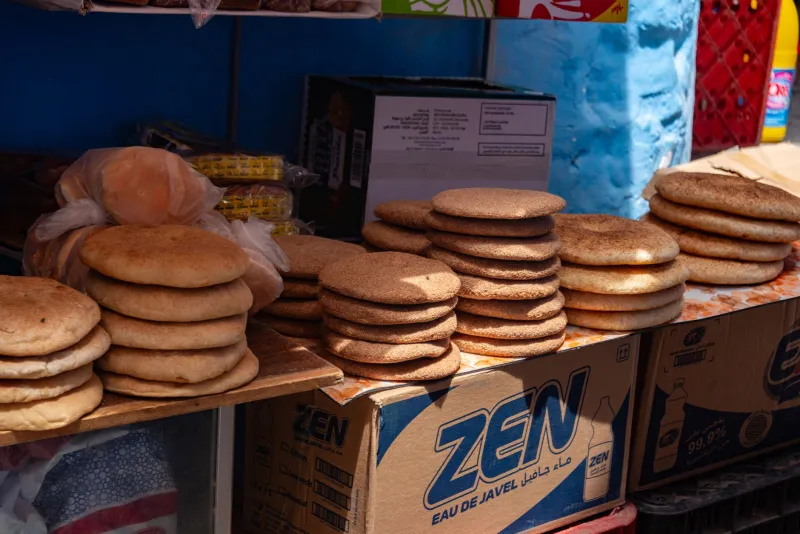
A stottie is a round, flat-ish white loaf from the North East, traditionally made from a piece of bread dough rolled out and baked until pale and soft. It is not a flatbread in the Mediterranean sense. It has a close, chewy crumb and a floury bottom, and it was built for hunger rather than elegance. The name comes from stott, a local word for bounce or rebound, which tells you something about its texture.
With fillings, the stottie is a patient host. It can take ham and pease pudding, bacon and brown sauce, corned beef, or a thick layer of cheese and onion without collapsing. Its tight crumb absorbs gravy and butter instead of turning to mush. It is less good for delicate fillings — a stottie will overwhelm smoked salmon — but that is hardly the point.
In 2026, the best examples are still in independent bakeries across Tyneside and County Durham, farmers’ markets, and the sort of deli that keeps a chalkboard rather than a laminated menu. Look for a pale, soft loaf with a slightly uneven edge and a floury base. At home, make a soft white dough with strong flour, water, a little milk, and a knob of lard or butter. Prove it slowly, roll into rounds about two centimetres thick, prove again, then bake on a preheated tray at around 200C for 12 to 15 minutes. Wrap the warm stotties in a tea towel to soften the crust. You will not get the exact bakery texture, but you will get close enough to understand why the North East is protective of it.
The barm: Manchester’s floury cushion
A barm — or barm cake — is a soft, round, floury roll from the North West. Historically it was made with barm, the foamy yeast from brewing, which gave it a gentle sourness and a spongy crumb. Modern versions are often simpler, but the character remains: soft, pale, and dusted with flour, with a crumb that gives easily under the thumb.
This is a bread for chips. A chip butty on a barm is one of the great British sandwiches, and the barm’s softness is essential: it soaks up butter and vinegar without fighting back. It also works with bacon, sausage, and the sort of wet fillings that would destroy a crusty roll. It is not a bread for a rare roast beef sandwich; it has no structure to spare.
Good barms in 2026 are found in Lancashire and Greater Manchester bakeries, market stalls, and old-fashioned sandwich shops. Look for a floury top, a soft squeeze, and a crumb that springs back slowly. Home bakers should use a milk-enriched dough with butter or lard and a little sugar to feed the yeast. Shape into balls, prove until pillowy, and bake at 190C until just set and barely coloured. Dust with flour before baking. A domestic oven will dry them out if you push the heat; keep them soft.
The bap: Scotland’s soft workhorse
The Scottish bap is a soft, round roll, often made with milk and butter, sometimes with lard, and finished with a floury top. It is not crusty. It is not meant to be. It is a tender, slightly sweet, deeply practical bread that holds a fried egg, bacon, sausage, or a cold cheese filling without shredding the roof of your mouth.
Because it is soft, the bap is forgiving with fillings but unforgiving with bad ones. A dry bap with a dry filling is a miserable thing. A fresh bap with butter, bacon, and a little brown sauce is a complete argument for getting up early. In Scotland, good baps are everywhere: independent bakeries, convenience stores with a bakery counter, and the morning roll shops that still understand the assignment.
At home, use a soft milk dough, a little butter, and a slow prove. Shape into rounds, flatten slightly, and bake at 190C until pale gold. For an even rise, bake them close together on a tray or in a cake tin; this steams the sides and keeps them soft. Dust with flour. They freeze well, which is useful if you have made a dozen and cannot face another bacon roll until Tuesday.
The bloomer: London’s crusty show-off
The bloomer is a long, oval white loaf with a crisp crust and diagonal slashes across the top. It is a London bread by reputation, though it is now baked everywhere. Its crumb is open and chewy, and its crust is the point: it gives a sandwich a savoury, toasted edge that soft rolls cannot.
The bloomer is best with strong fillings. Cheddar and pickle, ham and mustard, beef and horseradish, a proper BLT — these are its natural partners. It is not the bread for a delicate egg mayonnaise; the crust will win. It also demands a certain amount of care in the mouth. A very crusty bloomer can be a hazard, so slice it thinly or press it briefly in a hot sandwich press.
In 2026, good bloomers are still found in London bakeries, farmers’ markets, and bread stalls with a real oven. Look for a dark, blistered crust and a loaf that feels light for its size. At home, make a wet white dough and ferment it slowly. Stretch and fold rather than knead aggressively. Shape into a baton, slash the top, and bake at 230C with steam — a tray of water at the bottom of the oven will do — for the first ten minutes, then lower to 200C. A baking stone or steel helps. It will not be a bakery bloomer, but it will be a proper loaf.
What the regional loaf tells you
The point of these breads is not nostalgia. It is function. The stottie holds a heavy filling; the barm cushions a wet one; the bap makes a soft, early-morning sandwich; the bloomer gives a crisp, savoury edge. Britain’s sandwich culture is regional because British appetite is regional. In 2026, the best way to eat well is to ask for the local name, buy from a bakery that bakes daily, and put something worth eating inside.